
A Guide to Different Greenhouse Types
Choosing the right greenhouse is a major step for any gardener, whether you’re a hobbyist looking to extend your growing season or a commercial farmer aiming to scale your operations. The structure you select will impact everything from the types of plants you can grow to your overall energy costs. With so many options on the market, understanding the different types of greenhouses available is essential to making an informed decision.
This guide explores the various greenhouse structures, materials, and styles to help you find the perfect fit for your gardening ambitions. We will cover everything from small, backyard-friendly lean-to models to large, commercial-scale freestanding structures, ensuring you have all the information needed to start your project.
Freestanding Greenhouses
Freestanding greenhouses are standalone structures, separate from any other building. This design offers maximum flexibility in terms of placement, size, and orientation, allowing you to position it for optimal sunlight exposure. Because they are not attached to another building, they provide more growing space and better air circulation, which is crucial for preventing plant diseases. Freestanding models are a popular choice for both serious home gardeners and commercial growers who need a dedicated space for their plants.
A-Frame Greenhouses
The A-frame is one of the most traditional and recognizable greenhouse designs. Its steeply sloped roof is excellent for shedding snow, making it a practical choice for gardeners in colder climates. The simple design is structurally sound and relatively easy to construct, often requiring less material than more complex shapes. The high peak of the A-frame provides ample vertical space, which is ideal for growing tall plants or for incorporating hanging baskets. While the angled walls can slightly reduce the usable floor space along the edges, the overall efficiency and durability of the A-frame make it a timeless option.
Quonset (Hoop) Greenhouses
Quonset greenhouses, often called hoop houses, are characterized by their semi-circular, arched roof. This design is typically constructed using a series of metal or PVC hoops covered with a single or double layer of polyethylene film. Hoop houses are one of the most cost-effective greenhouse options, making them a favorite among commercial growers and farmers on a budget. They are relatively easy to build and can be constructed in various sizes, from small backyard tunnels to large agricultural structures. The curved shape is efficient at shedding rain and light snow, and the interior offers a wide, open space without internal supports, maximizing usable growing area.
Gothic Arch Greenhouses
The Gothic arch greenhouse is an elegant and highly functional design that combines the structural benefits of both the A-frame and the Quonset styles. Its pointed arch creates a high peak, similar to a Gothic cathedral, which provides excellent snow-shedding capabilities and significant vertical clearance for tall plants. This design eliminates the need for interior trusses, offering an unobstructed interior space. The high-sloped walls allow for more sunlight penetration, especially during the winter months when the sun is lower in the sky. Gothic arch greenhouses are known for their strength, beauty, and efficiency, making them a premium choice for those who want both form and function.
Attached Greenhouses
Attached greenhouses are structures that share one or more walls with an existing building, such as a house, garage, or shed. This design offers several advantages, including easier access to utilities like water and electricity, and it can benefit from the heat retained by the adjacent building, which helps reduce heating costs. Attached greenhouses are an excellent space-saving solution for those with smaller yards or limited property space.
Lean-To Greenhouses
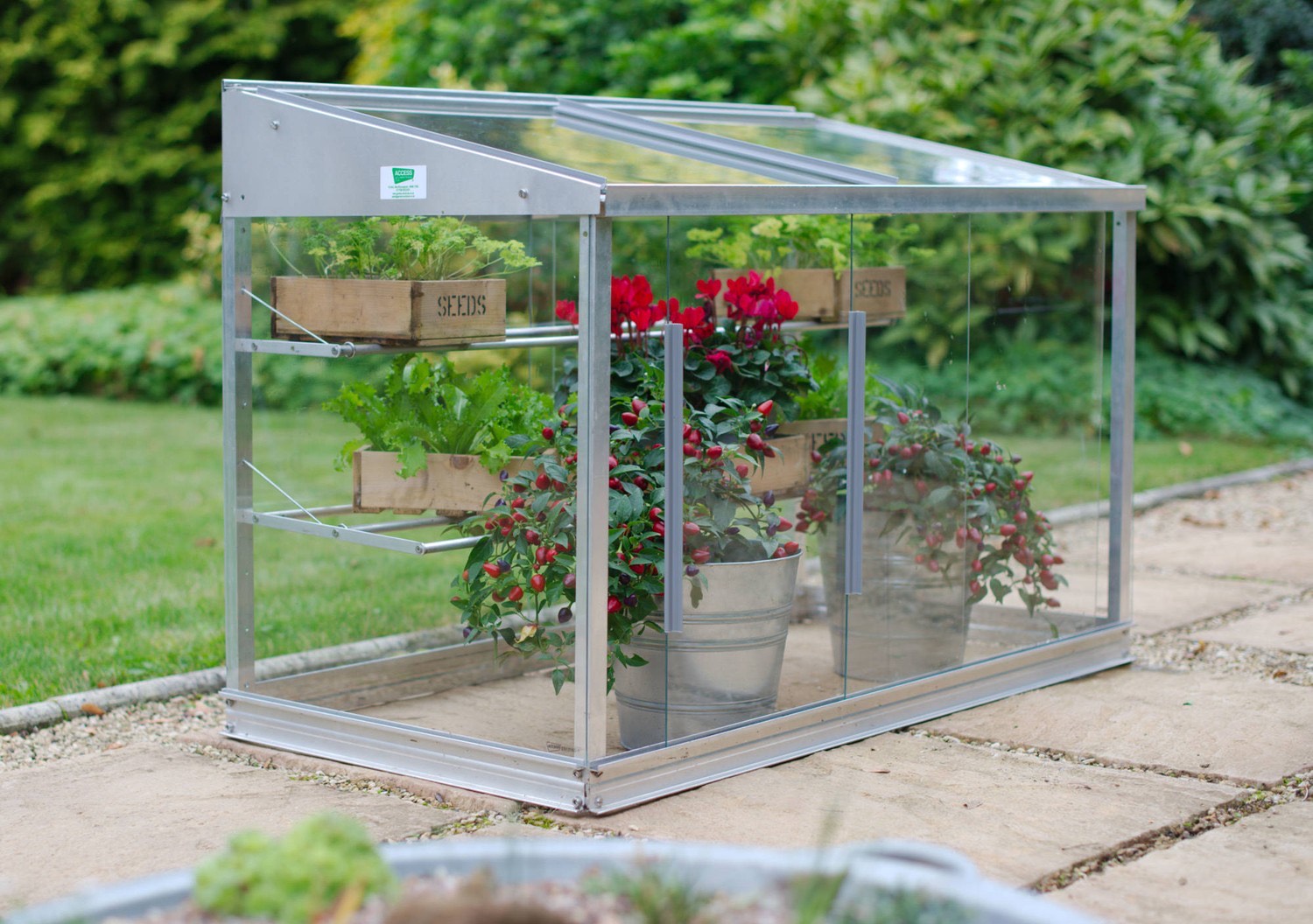
A lean-to greenhouse is the most common type of attached structure. It is built against the side of an existing building, typically sharing one long wall. This design is compact and efficient, making it perfect for gardeners with limited space. By “leaning” against the house, it gains structural support and benefits from the building’s insulation, which can help maintain a more stable temperature. A lean-to is often more affordable to build and heat than a freestanding structure of a similar size. Its proximity to the house makes it convenient for gardeners to access their plants, even in poor weather.
Even-Span Greenhouses
An even-span attached greenhouse is essentially half of a traditional freestanding greenhouse, with one gable end attached to a building. This design features a symmetrical roof with two equal slopes, creating a balanced and classic look. It provides more usable space than a lean-to of the same length and allows for more flexibility in bench and plant arrangement. The even-span design is a good choice for those who need more growing room than a simple lean-to can offer but still want the convenience and energy savings of an attached structure.
Uneven-Span Greenhouses
Uneven-span greenhouses are designed for specific site conditions, particularly when a greenhouse needs to be built on a sloped or terraced landscape. This design features a roof with two slopes of different lengths or pitches, allowing it to adapt to uneven ground. While less common for residential use, an uneven-span structure can be a practical solution for maximizing sunlight exposure on a challenging property. By customizing the roof angles, a gardener can ensure that one side captures more light, compensating for any shading or orientation issues.
Greenhouse Glazing and Frame Materials
The materials you choose for your greenhouse’s frame and glazing (the transparent covering) are just as important as the structure’s shape. These choices will affect the greenhouse’s durability, insulation, light transmission, and overall cost.
Common Glazing Materials
- Glass: The traditional choice, glass offers excellent light transmission and a classic aesthetic. It is long-lasting and does not yellow over time. However, it is also the most expensive and fragile option, requiring a sturdy frame for support.
- Polycarbonate: A popular and practical alternative to glass, polycarbonate is a rigid plastic that is lightweight, durable, and shatter-resistant. It is available in single, double, or triple-wall panels, with the multi-wall options providing superior insulation. Polycarbonate diffuses light, which reduces the risk of burning plants.
- Polyethylene Film: This is the most affordable glazing option, commonly used for hoop houses and temporary greenhouses. It is a flexible plastic film that is easy to install and replace. While it has a shorter lifespan than glass or polycarbonate (typically needing replacement every few years), UV-stabilized versions can extend its durability. Double-layered film with an air gap in between provides excellent insulation.
- Fiberglass: Fiberglass is another durable and lightweight option. It diffuses light well, which is beneficial for plants. However, over time, the sun’s UV rays can cause fiberglass to yellow and become brittle, reducing light transmission and requiring eventual replacement.
Common Frame Materials
- Wood: Wood frames offer a natural, attractive look and provide good insulation. Cedar or redwood are often used because of their natural resistance to rot and insects. However, wood frames require regular maintenance, such as painting or sealing, to prevent decay and can be more susceptible to pests.
- Aluminum: Aluminum is a popular choice for greenhouse frames because it is lightweight, strong, and resistant to rust and corrosion. It requires very little maintenance and can be powder-coated in various colors. While it is a good conductor of heat (which can lead to some heat loss), its durability and low-maintenance nature make it a top choice for many gardeners.
- Steel: Galvanized steel is the strongest frame material, making it ideal for large, commercial greenhouses. It can support heavy glazing like glass and withstand harsh weather conditions. Steel is also relatively low-maintenance, though it is heavier and often more expensive than aluminum.
- PVC (Polyvinyl Chloride): PVC is the most affordable frame material and is often used for small, DIY, or hobby greenhouses. It is lightweight and easy to assemble. However, PVC is not as strong as metal or wood and can become brittle over time with sun exposure, making it less suitable for permanent or large structures.
Find the Right Greenhouse for Your Garden
Choosing the right greenhouse involves balancing your gardening needs, budget, and available space. Whether you opt for a simple lean-to attached to your home or a large, freestanding Gothic arch structure, a greenhouse is a powerful tool that can dramatically expand your growing possibilities.
By understanding the benefits of each type of greenhouse and the materials used to build them, you can select a structure that will serve you well for years to come. The right greenhouse will not only protect your plants from the elements but also create a controlled environment where you can cultivate a thriving garden year-round.